
Exploring the curiosity, passion and discoveries driving Dr. Emma Creagh’s work in inflammation & cancer research.
Written by Anastasia Titova | Interviewed by Nathalie Al Ja’Afrehová
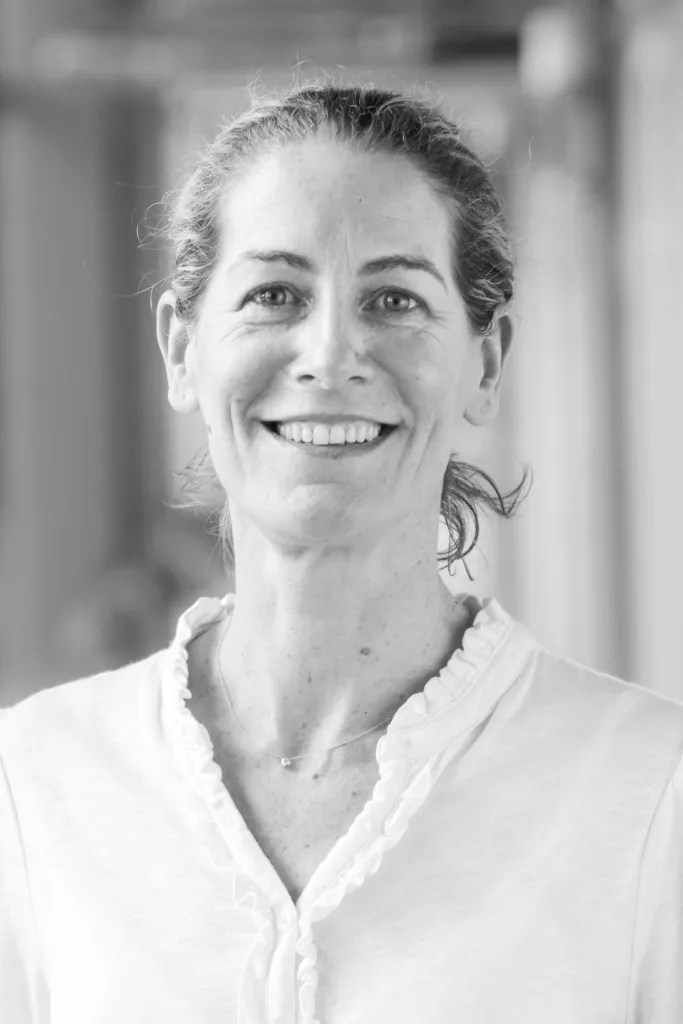
“You have to be resilient and persevere, so if there’s something you’re really interested in, it’s worth having you go after it and follow it”
What started as a fascination with science in secondary school has turned into a career investigating the relationship between inflammation & cancer for Dr Emma Creagh. An Associate Professor at Trinity’s School of Biochemistry and Immunology, she is an accomplished translational cancer researcher with numerous publications in her name in fields such as colorectal, oesophageal, and breast cancer.
Her original interest sparked in secondary school: “I had the subject and I just loved it. I found it so interesting. All aspects of it from the very beginning and as time went on, cell biology really just became my interest,” she recalled.
This love led her to pursue an undergraduate degree in biochemistry at Trinity, where she learned about apoptosis, or “cell suicide”, a form of programmed cell death. This novel area excited her and became the focus of her PhD in Professor Tom Cotter’s lab at University College Cork, specialising in heat shock responses. Her research looked at cell stress response, particularly heat shock protein function, which cancer cells can overexpress, in order to become resistant to chemotherapy.
It was during this research that she became increasingly interested in caspases, a family of proteases that act as the executioners of apoptosis. After initially being hooked by apoptotic caspases, Dr Creagh developed an interest in their inflammatory properties. Specifically, the link between enzymes being protective against injury, yet damaging if they get dysregulated or chronically inflamed, and the mechanisms that drive that switch.
One of Dr Creagh’s main research focuses currently is the development of CASPDx, a project she co-founded & is the scientific lead of, which aims to develop a blood-based test for colorectal cancer detection by identifying inflammation biomarkers.
“All cancers once established have that chronic inflammatory environment,” she explains. Her team is looking at a few model cancers that were linked with inflammation, such as inflammatory bowel disease and colorectal cancer. They are trying to understand how inflammation can lead to cancer initiation, progression & therapy resistance, as well as the biomarkers these pathways exhibit.
Using bioimmune immunohistochemistry (a technique that can identify specific proteins in tissue samples), they found that malignant tissue expresses some of these biomarkers, which they identified in blood samples from colorectal cancer patients.
Interestingly, developing a diagnostic test was not the team’s original objective. It was only upon further conversations with pathologists about her team’s findings that highlighted the potential clinical value of the biomarkers if they could accurately distinguish cancerous cells from normal or inflamed tissue. “It’s very much the research that led us to the finding,” she admits. CASPDx hopes to mitigate some current issues with colorectal cancer testing, the faecal immunochemical test (FIT), such as false positives, and late detection.
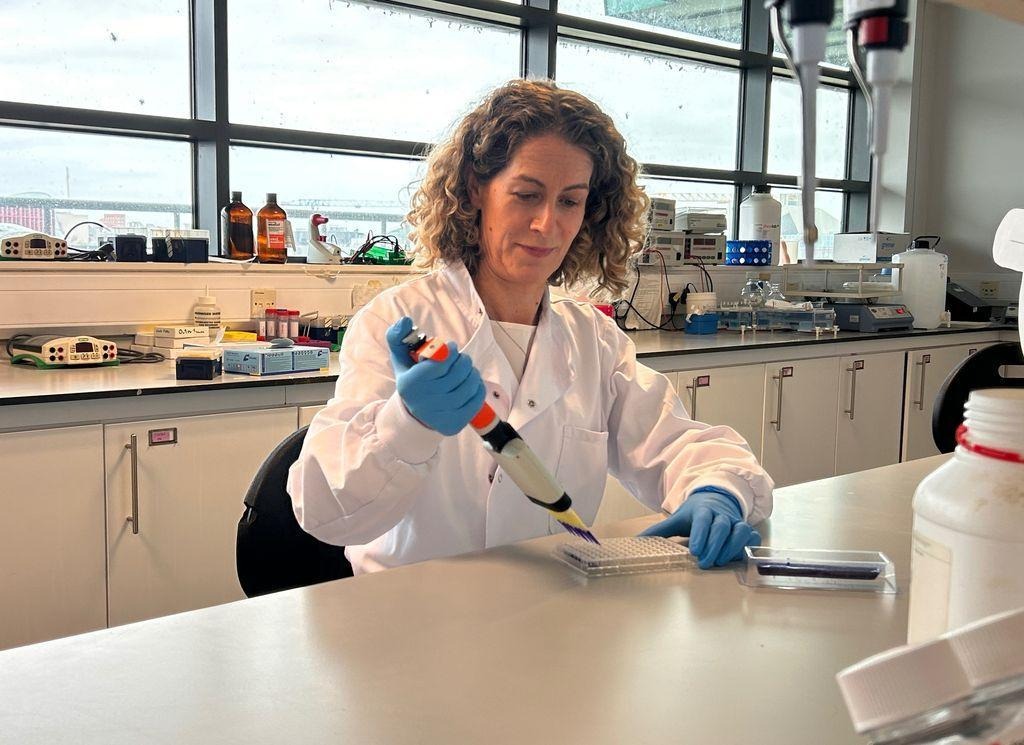
When asked about her favourite parts of her many roles, she highlighted her passion for basic research and teaching. Beyond even her own lab, she enjoys collaborative work with others, and does so regularly with different research labs all over the world. She also values the variety that teaching gives her, saying that “no day is ever the same”. When she’s not conducting research or teaching, she enjoys running and HIIT classes, while her three children also provide a welcome distraction from work.
When asked what she’s most proud of in her career, she emphasised the development of her research over time. What began as work on inflammatory bowel disease flowed into colorectal cancer research and now towards translational discovery with potential clinical applications.
She reflects that early on in her career, she could have been more selective in the commitments she took on, “to make more time for research”. But for students hoping to pursue a career in science, her advice is simple and centres on the importance of going after what genuinely interests you, no matter what. “You have to be resilient and persevere, so if there’s something you’re really interested in, it’s worth having you go after it and follow it”.


Leave a Reply