
Category: Uncategorized
-
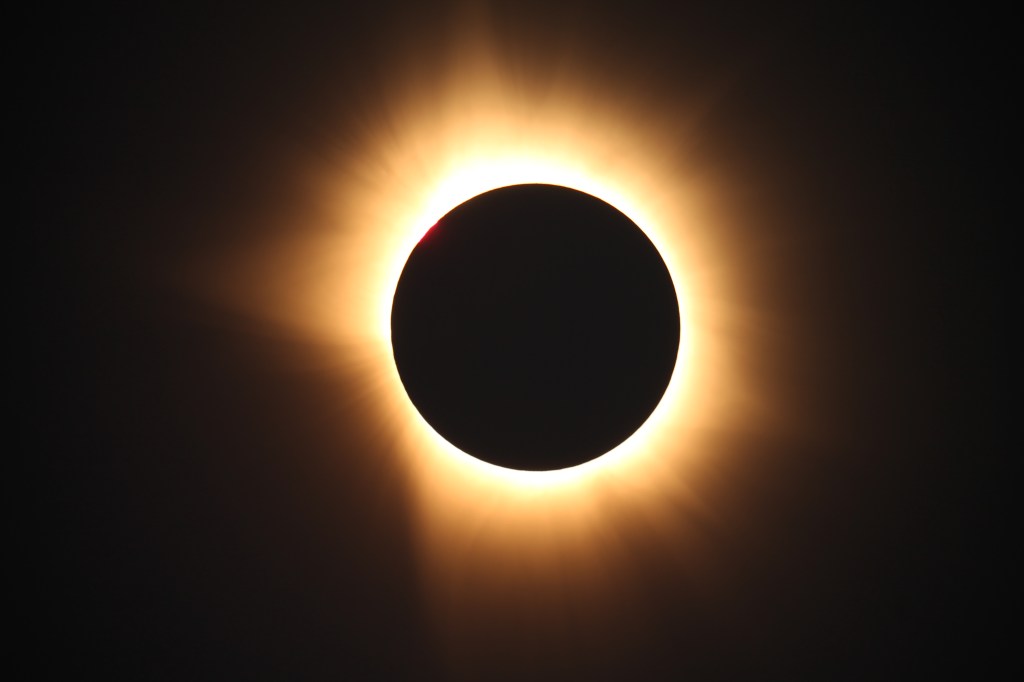
By Carmen García barajas What is an Eclipse? An eclipse is an astronomical event where three celestial bodies become aligned so that one blocks the light from another or hides it in a shadow. From the Earth we can observe two main types of eclipse: solar and lunar. Solar Eclipse On 12 August, we were…
-
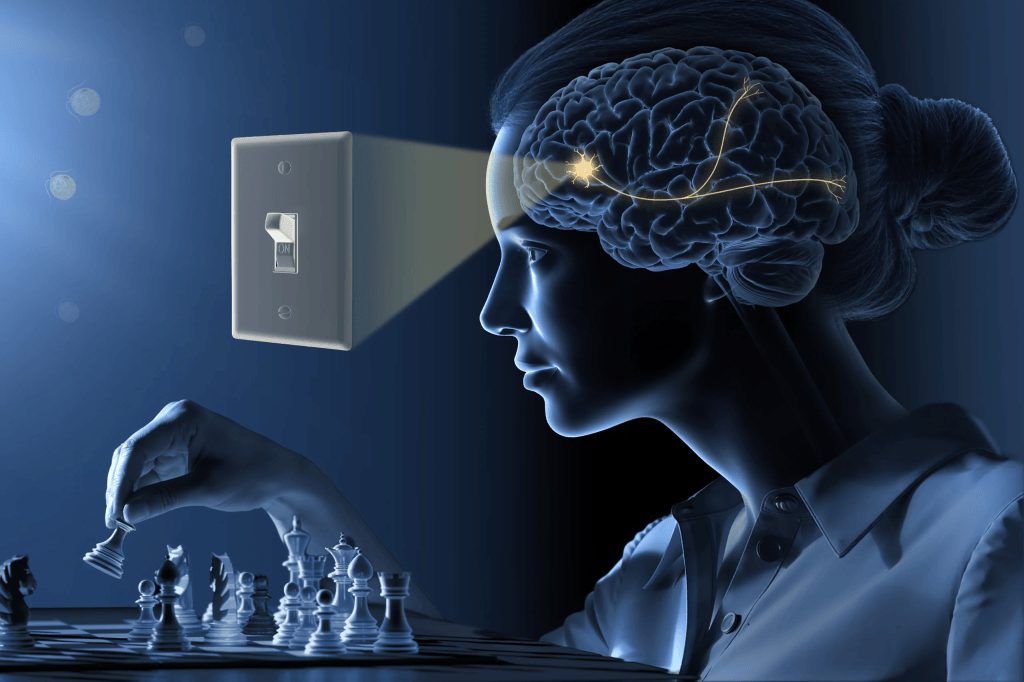
By Mairead Healy The 2026 Nobel Prize in Physiology or Medicine was awarded to Karl Deisseroth (🇺🇸), Peter Hegemann (🇩🇪), and Georg Nagel (🇩🇪), for their work on light optogenetics– the manipulation of neurons with pulses of light! “for their discoveries concerning light-gated ion channels and optogenetics” They discovered how to manipulate individual neurons within…
-
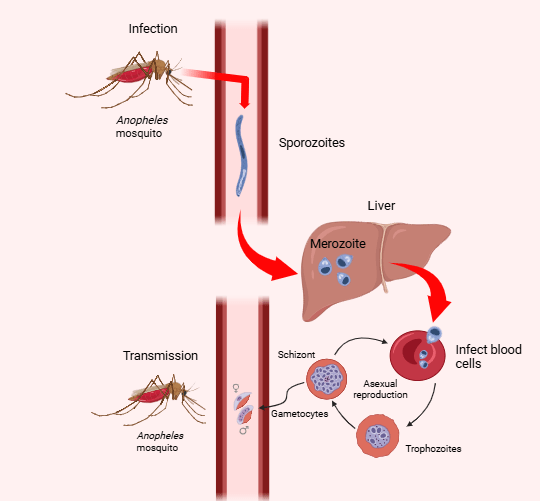
By Elena kobaly The malarial parasite, Plasmodium, exists in several infective forms, and has been a challenging target for drug development since its discovery in the late 19th century, due to its rapid life cycle and several life forms. Our immune system works by recognizing previously encountered patterns, however, this system fails once it meets…
-
Click and read full Issue 2 now!
-
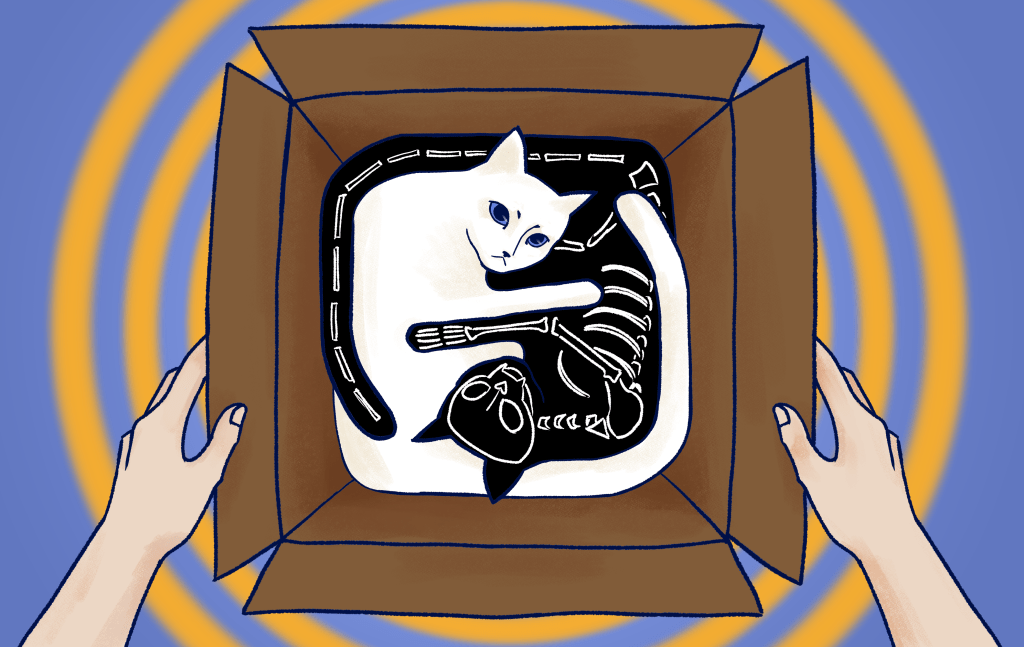
By Darragh MCCANN In a 1935 review, Austrian physicist Erwin Schrödinger first posed the now-famous “Schrödinger’s Cat” thought experiment. He began by asking the reader to imagine a cat locked in a steel box. The box has an attached apparatus in which a radioactive sample has a 50/50 chance of decaying over the course of…
-

By Andriana Had Imagine a world where your first prescription works exactly as intended. No trial and error, nouncertainty, no unnecessary expense. This may sound impossible, but pharmacogenomics and personalized medicine are building towards a future where this becomes a reality. Everyone’s genome, defined as the entire set of DNA instructions found in our cells…
-
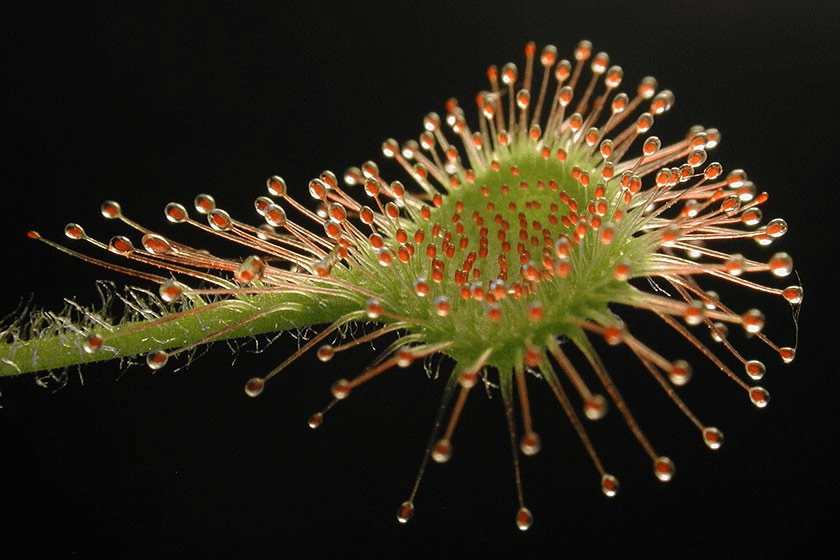
Plants are usually considered gentle and non-threatening organisms. They don’t hunt, chase, or attack animals, which makes them seem innocent by nature. But this thought falls apart when we discover that a small but fascinating group of plants has evolved the ability to trap and digest animals, making us realize plants can be predators too.This…
-
By Emma Murray
-
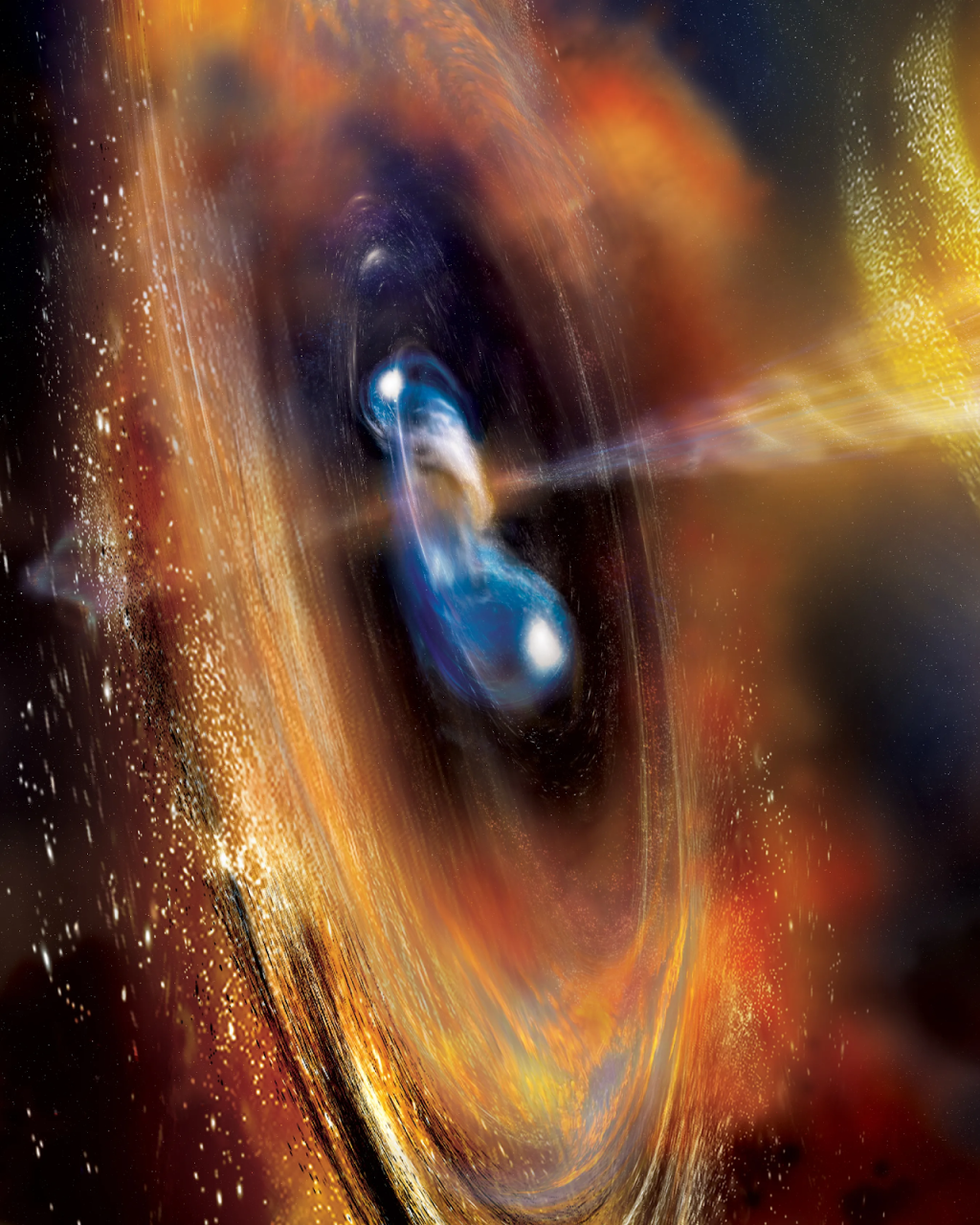
By Inés Martínez Marchán The formation of neutron stars The fate of a star is ultimately dependent on its mass right after its initial formation. Stars with an initial mass greater than about eight times that of the current mass of the Sun are considered massive stars and hold the capacity to form neutron stars…
-
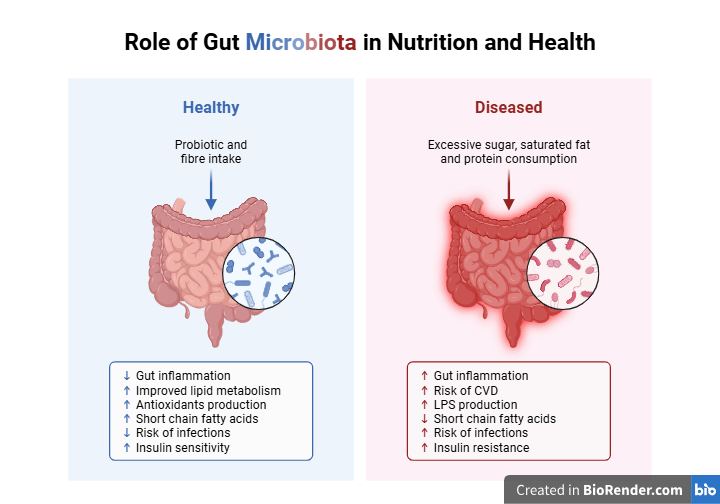
By Aifric Mangan Our gut is made up of trillions of microorganisms that are hugely influential to our health. But with prebiotic drinks lining the shelves of our favourite stores and ‘gut friendly diets’ being all the rage, it’s difficult to distinguish truth from trend. Do these supplements really work and what can we do…

