
By Rugile Andrijauskaite
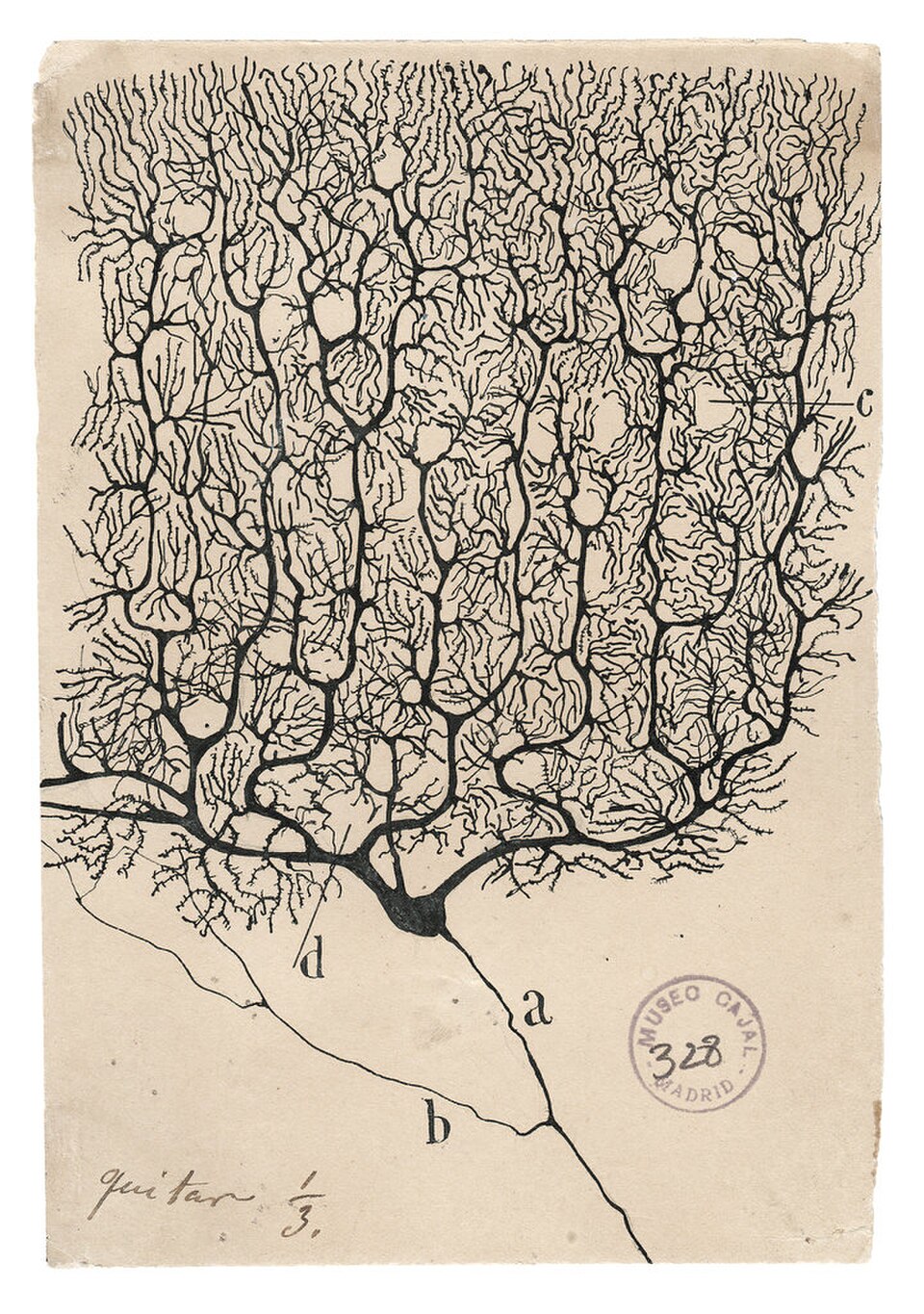
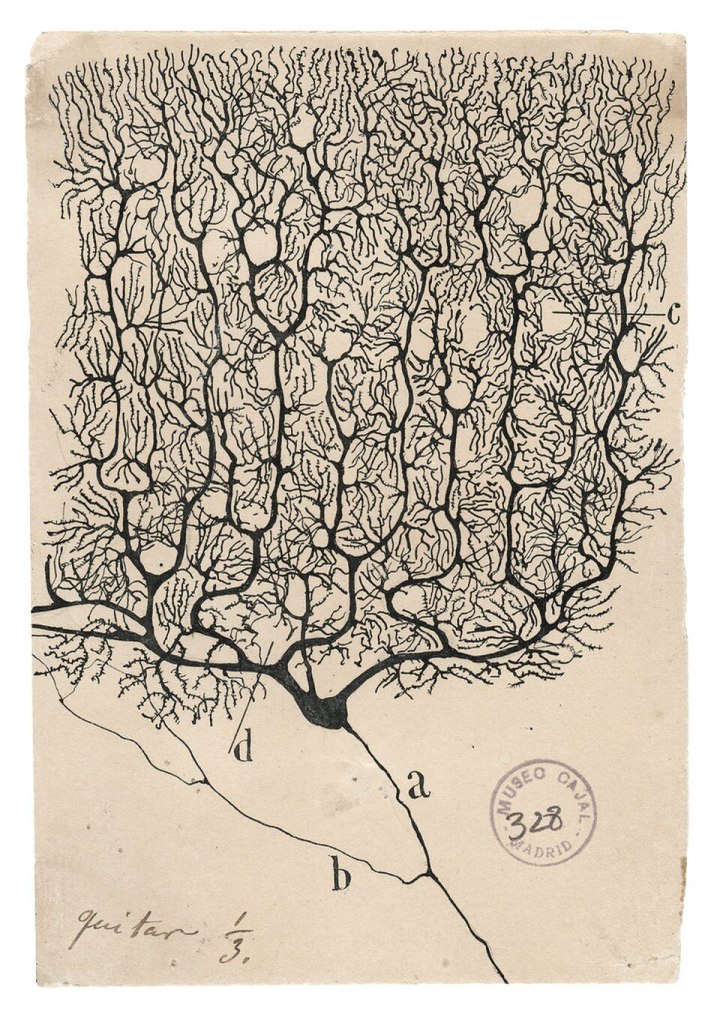
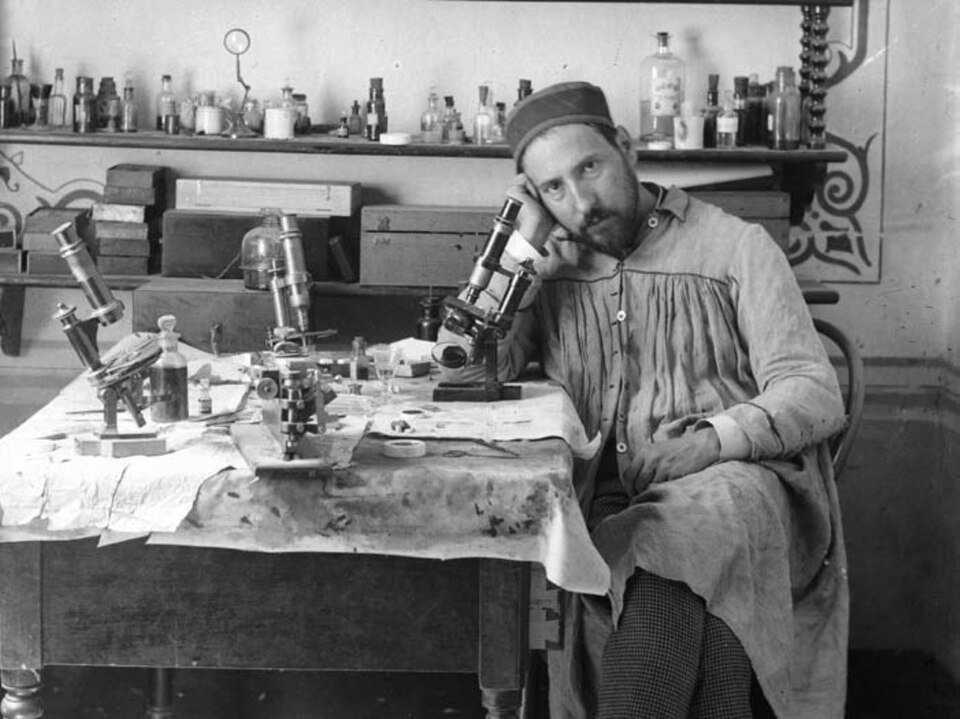
The human brain contains the vastness of the human condition, solely within the confines of our skull. Our memories and experiences are stored in an expansive network of specialised brain cells called neurons. These remarkable cells were discovered by Ramón y Cajal around 1890, marking a breakthrough in modern neuroscience and the establishment of the neuron doctrine.
The ‘neuron doctrine’ spearheaded neuroscience into the modern era, helping set the foundation for brain research that is just as relevant today.
The importance of neurons comes from their ability to communicate with one another to facilitate movement, decision making, learning and consciousness.
Have you ever experienced a sudden jolt of familiarity for something you were seeing, or experiencing for the very first time? A proposed explanation for this sensation called déjà vu is that when the neurons in the hippocampus (the part of the brain responsible for memory) miscommunicate with other neurons in the brain, creating a false sense of familiarity.
To fully comprehend the significance of the neuron doctrine, an attempt must be made to understand how neurons function. Neurons are structurally composed of a cell body, dendrites (which receive information from other neurons) and axons (which carry information to other neurons). When you touch something, the sensory receptors located in your skin convert this stimulus into an electrical signal which, if it reaches a certain threshold, gets carried along sensory neurons to your brain and spinal cord (central nervous system). This electrical charge moves through nerves due to an uneven distribution of ions (charged particles) within the inside and outside of the cell. This allows the message to hop along a sensory neuron in the form of an action potential.
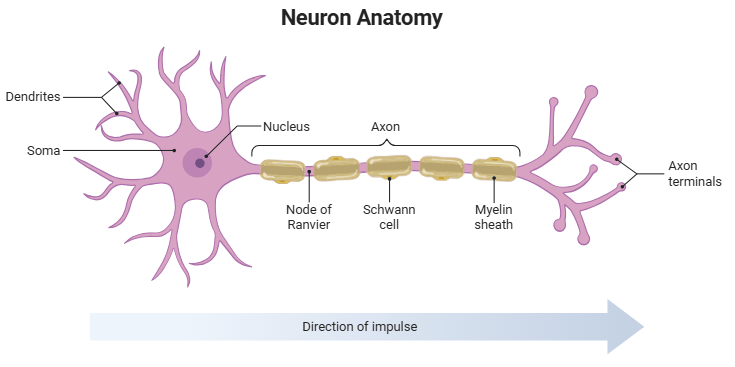
When the message arrives at the end of the axon terminals, the signal gets passed to the dendrites of the next nerve cell. The signal must pass through the synaptic cleft (gap between two neurons) as the neurons themselves do not touch. The axon terminals will convert the electrical potential (the message) to a chemical substance called neurotransmitters. These neurotransmitters will pass the synaptic cleft and will cause an electrical potential that hops along the post-synaptic neuron. Almost instantaneously, the message reaches the brain, is organised by the thalamus and a responsive message is carried by a motor neuron to the muscles.
Human brains comprise 86 billion neurons, with each neuron having a varying amount of 1000-10,000 synapses. Although the brain’s neural network is extensive, nerve cells are a recent finding in the history of brain studies.
The oldest record of neuroscience is an Egyptian papyrus record dating to the 17th century BCE (around 3700 years ago). Within this record, there is evidence that Egyptian doctors observed the correlation between brain injuries and skull fractures, developing medicinal practices to amend them. A few centuries later, the ancient Greeks began to categorise the brain as the organ responsible for intelligence and thought. During the 16th century, Leonardo Da Vinci created his famous anatomical studies of the body and brain, which set the groundwork for neuroanatomy.
However, as the 20th century approached, scientists lacked a consensus for the composition of the brain. Golgi considered the nervous system to be a system of pipes that were fused together, referring to this as ‘reticular theory’. His staunch views were contradictory to the opinion of Cajal, who declared that the brain was composed of unique cells, later coined as neurons. Golgi created a staining technique called the ‘black reaction’ which allowed neurons to be stained whole, providing an insight into their morphology. The nervous tissue was hardened in potassium dichromate and then dipped into a solution of silver nitrate. Cajal used this very staining technique to show that neurons have gaps between each other, proving that they are individual cells.
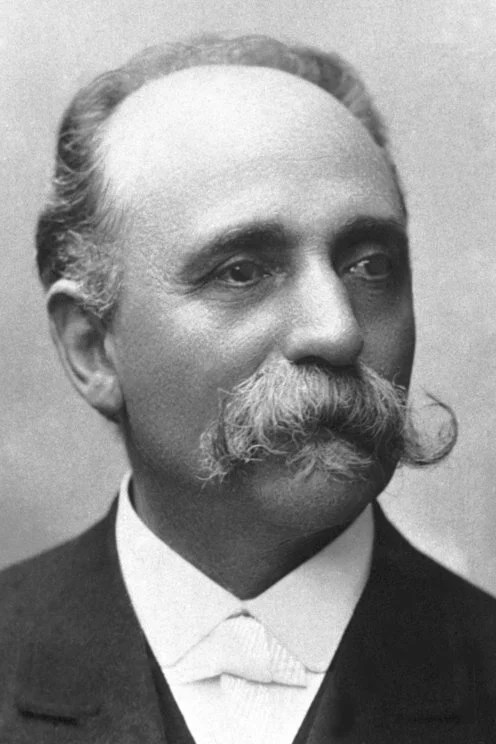
Photo from the Nobel Foundation archive
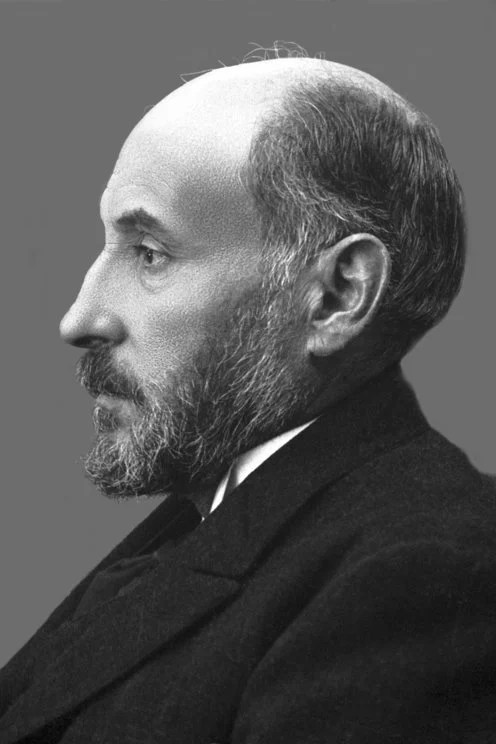
Photo from the Nobel Foundation archive
In 1906, Golgi and Cajal won the nobel prize in Physiology or Medicine. However, their rivalry remained heated, with Golgi going as far as to disregard the neuron doctrine as part of his Nobel prize acceptance speech (yikes!). The ‘neuron doctrine’ spearheaded neuroscience into the modern era, helping set the foundation for brain research that is just as relevant today.


Leave a Reply