Recent posts
- Understanding the Wood Wide Web; Mycorrhizae, Microbes, and Mutualism
- The Mind Behind the Science: Meet Emma Creagh
- The Curiousity Corner: Chapter 3
- The Role of the Major Histocompatibility Complex in Mate Attraction – What the Smell of your Partner Could Tell You about the Strength of your Future Children’s Immune System
- Gravitational Waves – From the mind of Einstein to the bowels of deep space
-
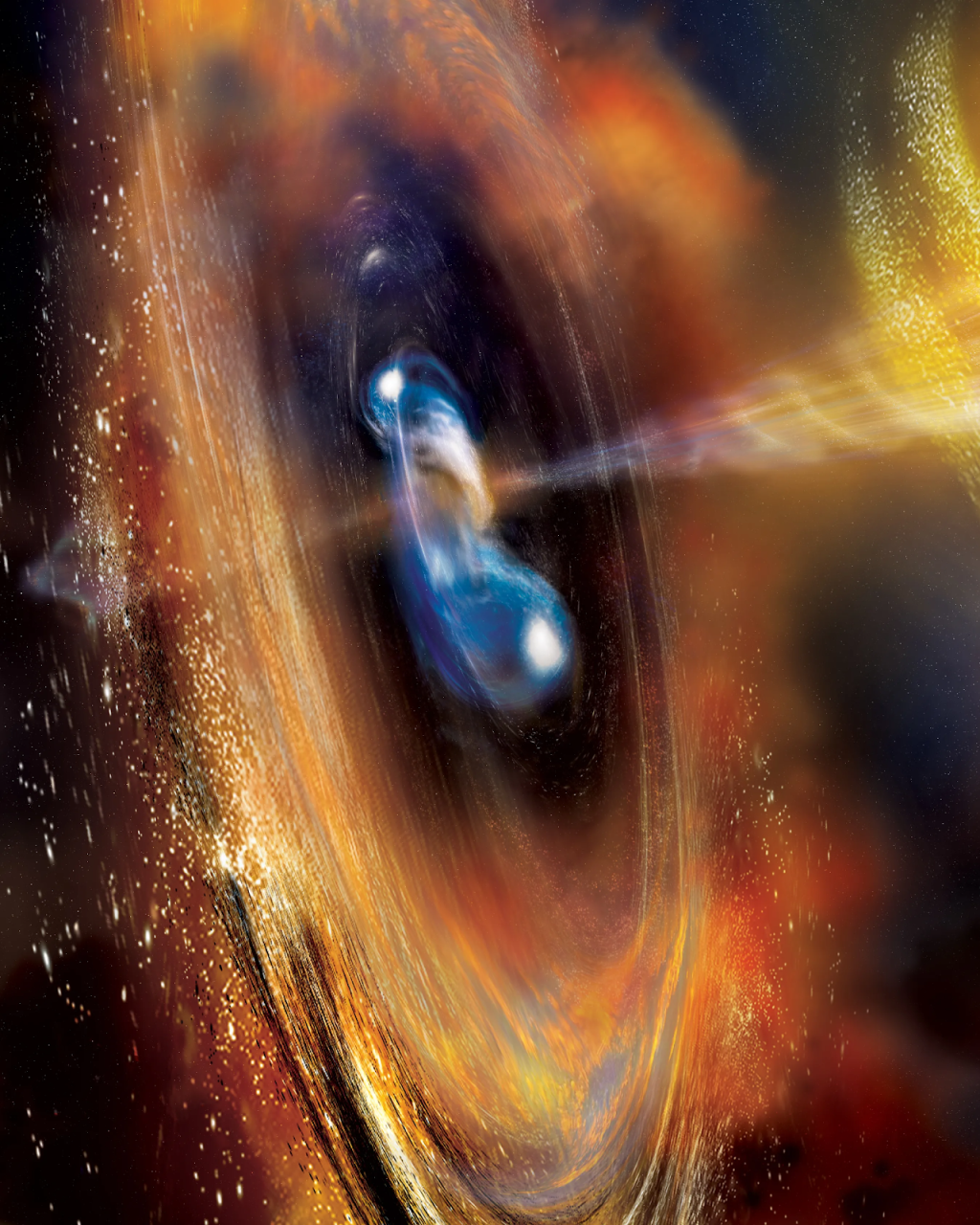
Neutron Stars: Reinvention After Collapse
By Inés Martínez Marchán The formation of neutron stars The fate of a star is ultimately dependent on its mass right after its initial formation. Stars with an initial mass greater than about eight times that of the current mass of the Sun are considered massive stars and hold the capacity to form neutron stars…
-
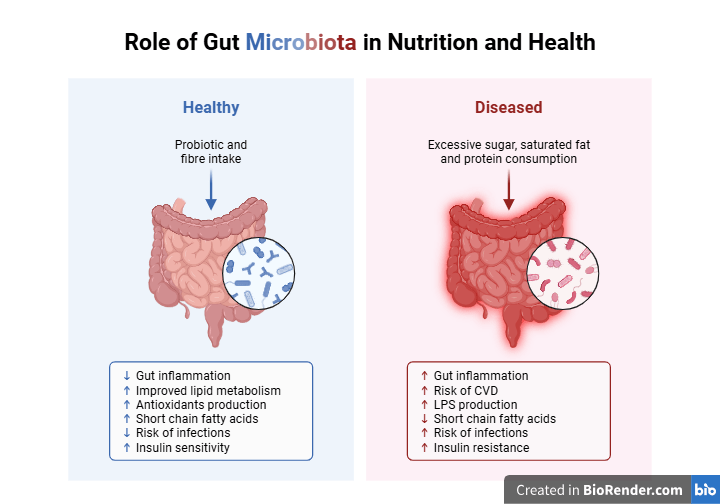
Gut bacteria: Friend or Foe? Debunking the myths of gut health.
By Aifric Mangan Our gut is made up of trillions of microorganisms that are hugely influential to our health. But with prebiotic drinks lining the shelves of our favourite stores and ‘gut friendly diets’ being all the rage, it’s difficult to distinguish truth from trend. Do these supplements really work and what can we do…
-
Peripheral Immune tolerance: Nobel Prize physiology and medicine winners of 2025.
By Selin Yilmaz This year, the Nobel Prize in Physiology and Medicine was awarded jointly to Mary E. Brunkow, Fred Ramsdell and Shimon Sakaguchi “for their discoveries concerning peripheral immune tolerance”. What exactly does this mean? Our immune system is like our body’s army. It identifies foreign objects such as viruses, microbes and bacteria that…

-
The Chemistry Behind Anaesthesia
By Leanne Berry The incredible capacity of humans and other animals to process and experience physical sensations is largely thanks to an intricate web of sensory neurons that extend throughout our bodies. These neurons transduce electrical signals leading to conscious perception of the physical sensation. However, during medical procedures, sensory neurons can lead us to…

-
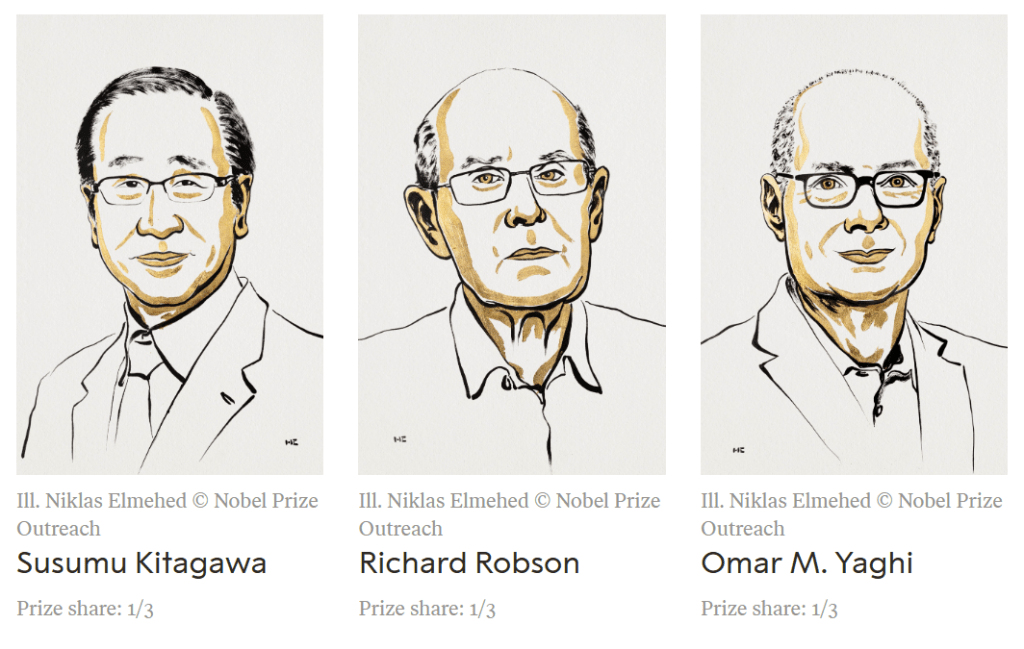
From wooden models to molecular frameworks: meet the scientists behind the 2025 Nobel Prize in Chemistry
By Meadhbh Javier Ni Bhroin What if there was a substance that could pack the surface area of two football fields into a single gram?This is exactly what earned Richard Robson, Susumu Kitagawa, and Omar Yaghi the 2025 Nobel Prize in Chemistry. These three men have gained worldwide recognition for their work on developing a…
-
The Curiosity Corner: Chapter 2
Keep this in mind when getting a chemical formula tattooed! By Irene Verburg Pérez In recent years it has become fairly popular to get a chemical formula tattooed, this is usually a molecule which the individual uses, such as caffeine or nicotine, or common neurotransmitters such as adrenaline, dopamine or serotonin. What people don’t usually…

-
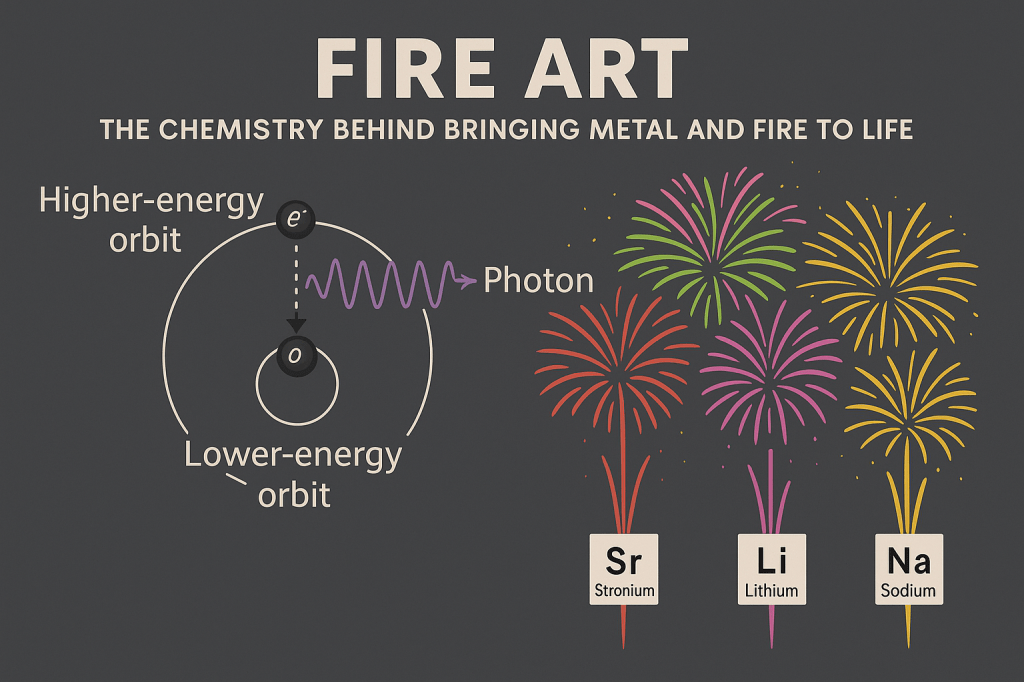
Tine Ealaíne: Fire Art – The chemistry behind bringing metal and fire to life
By Maria Del Socorro What do you imagine when you think of fireworks? Maybe New Year’s Eve, or a crowded stadium. Maybe protests in Georgia or your local Tesco at 2AM. A violent display symbolic of a fresh start, a rebellion, a break in the ordinary of everyday life. A massive spectacle meant to reflect…
-
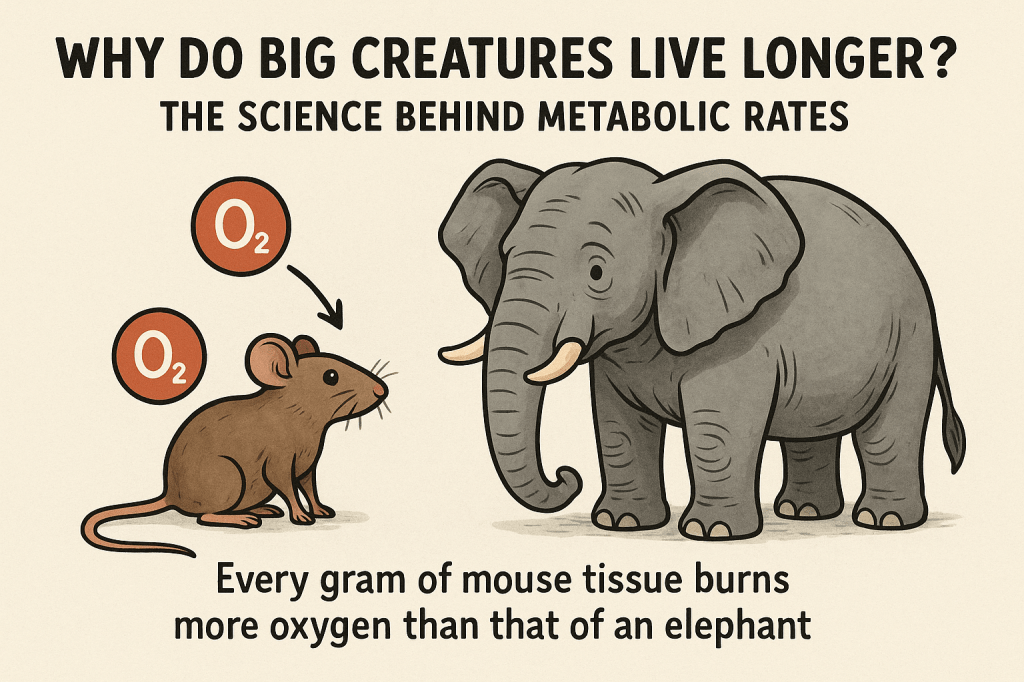
Why do big creatures live longer? The science behind metabolic rates.
By Nathalie Al Ja’Afrehová Why can large animals like elephants live for decades, while smaller animals like mice barely last a few years? At first glance, it seems fairly intuitive. Smaller animals are more vulnerable to environmental factors or predators in the wild, while animals like elephants don’t necessarily have to worry too much about…
-
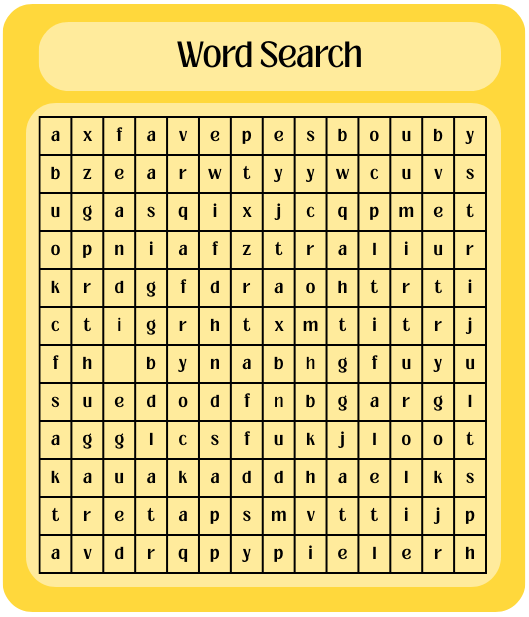
Word Search – Find the hidden scientific terms!
Find the hidden scientific terms in the word search! Comment below how many have you found
-
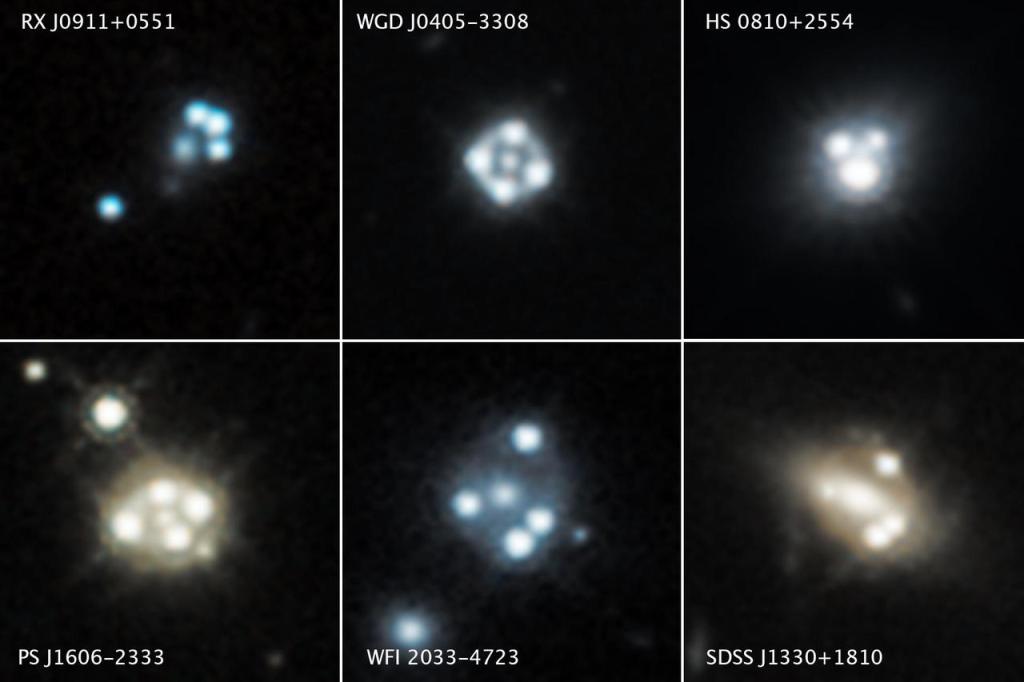
Mapping the Dark Universe: The Euclid Telescope
By Darragh McCann Nearly two years ago, on the first of July 2023, a SpaceX Falcon 9 launched from Cape Canaveral, carrying with it a telescope destined to uncover our universe’s deepest, darkest secrets. This was the beginning of the European Space Agency’s (ESA) Euclid mission, designed to observe and map the composition and evolution…


In collaboration with the DU Science Society
Designed with WordPress