
-
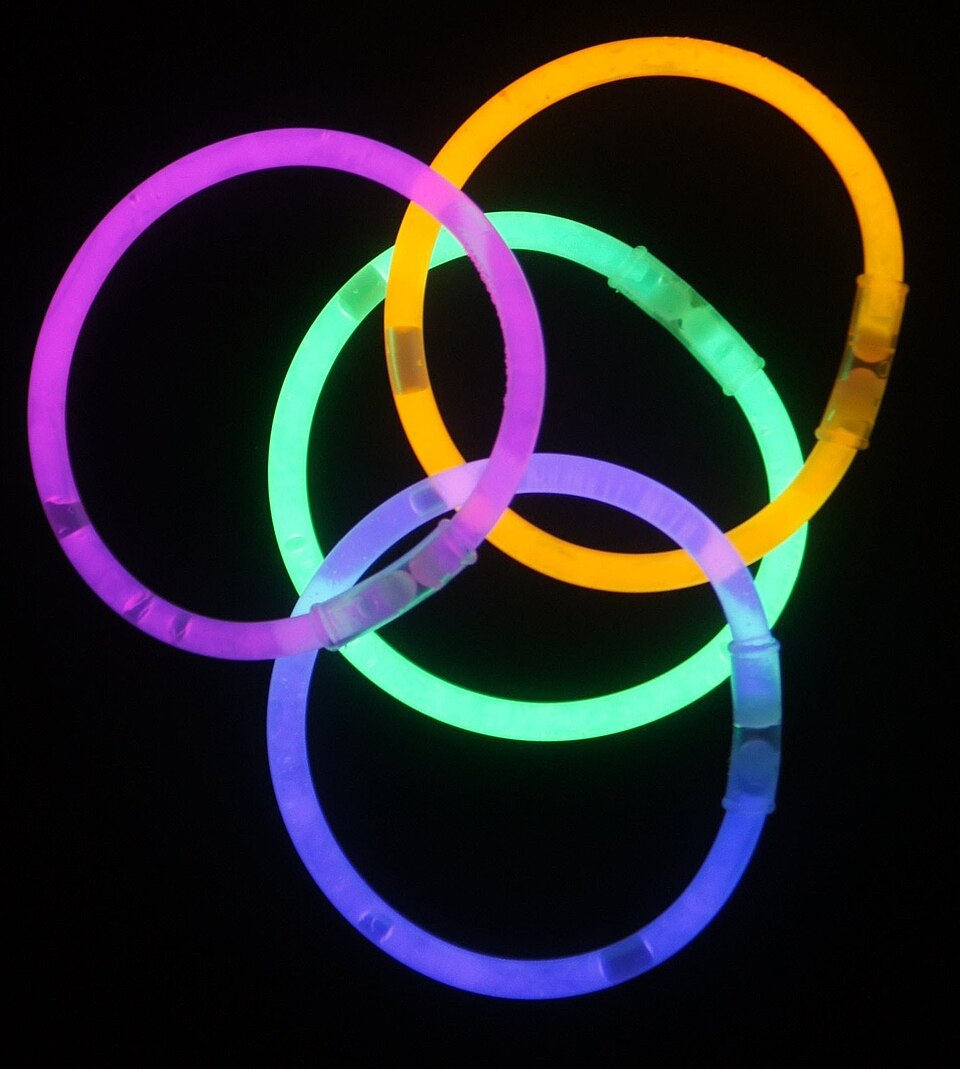
Glow Sticks: The Illuminating Chemistry Behind the Glow
BY SINEAD BYRNE Glow sticks are a celebration staple adding colour, light, and fun to festivals, clubs, and Halloween parties. However, unlike a traditional light source, they don’t require batteries, a flame or electricity. Simply a mechanical snap. Have you ever wondered how they manage to glow without an obvious energy source? Although it may…
-
Europe’s Eclipses Trilogy, the chain of coincidences
By Carmen García barajas What is an Eclipse? An eclipse is an astronomical event where three celestial bodies become aligned so that one blocks the light from another or hides it in a shadow. From the Earth we can observe two main types of eclipse: solar and lunar. Solar Eclipse On 12 August, we were…

-
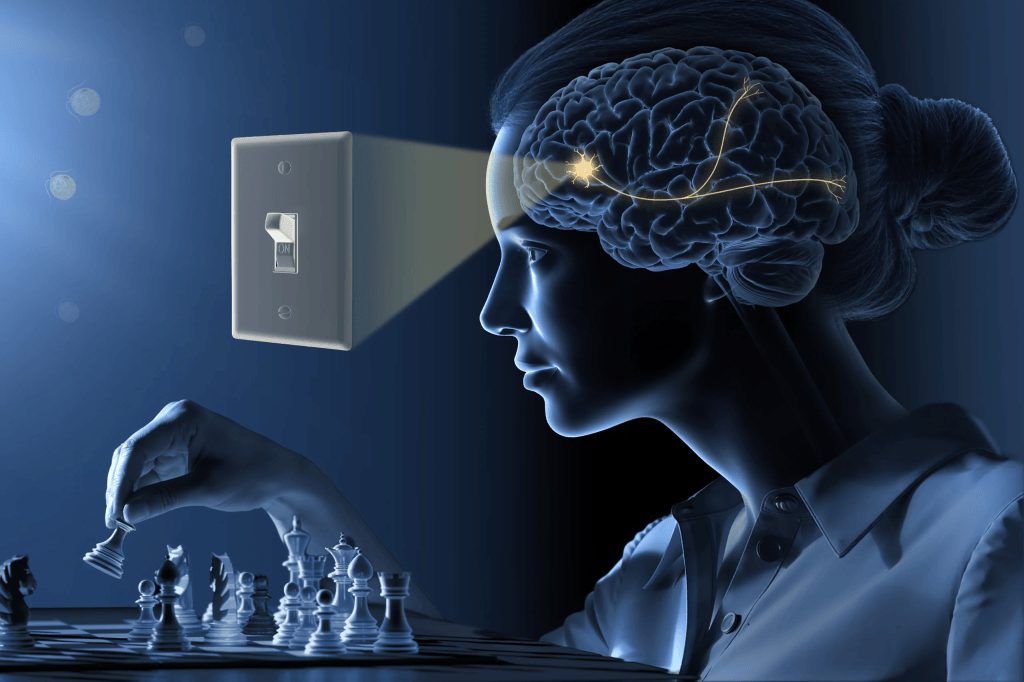
Optogenetics – The Nobel Prize in Physiology or Medicine 2026
By Mairead Healy The 2026 Nobel Prize in Physiology or Medicine was awarded to Karl Deisseroth (🇺🇸), Peter Hegemann (🇩🇪), and Georg Nagel (🇩🇪), for their work on light optogenetics– the manipulation of neurons with pulses of light! “for their discoveries concerning light-gated ion channels and optogenetics” They discovered how to manipulate individual neurons within…
-
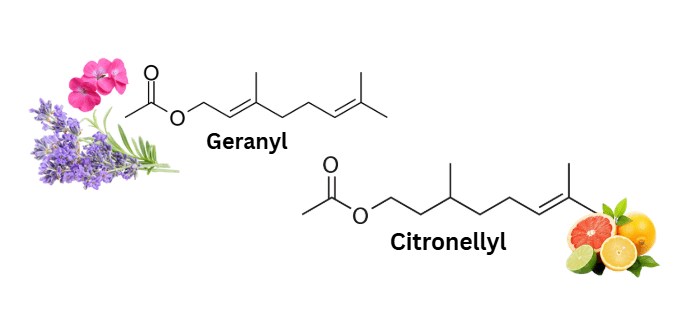
Esters and their fruity odors – Industrial applications
By Derin Sariyel When walking past a sweet shop or a bakery shelf of fruit pastries, you might notice a scent very similar to the one you smell when trying fruity perfumes in a perfume shop. This is because the same family of molecules is responsible for many distinct, often pleasant fruity aromas, and they…
-
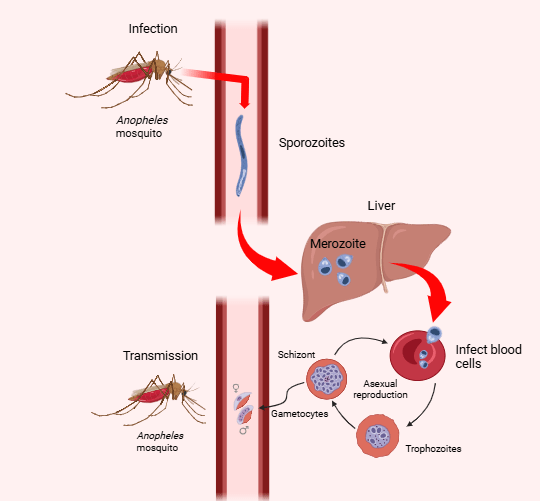
Malaria – HOW TO STRIKE A SHAPESHIFTER
By Elena kobaly The malarial parasite, Plasmodium, exists in several infective forms, and has been a challenging target for drug development since its discovery in the late 19th century, due to its rapid life cycle and several life forms. Our immune system works by recognizing previously encountered patterns, however, this system fails once it meets…
-
-
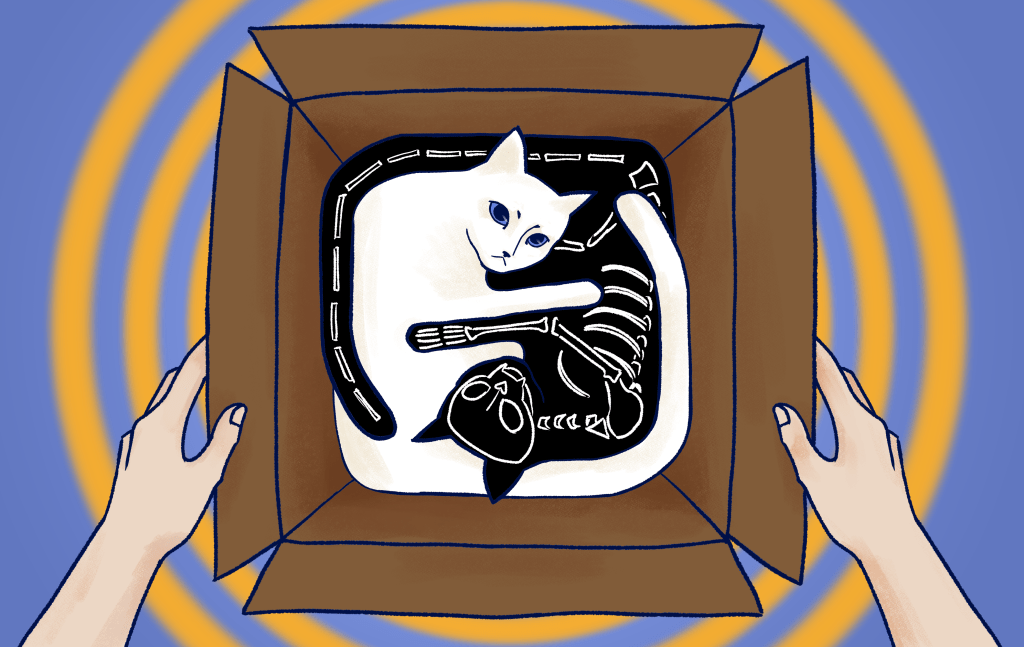
Unboxing Schrödinger’s Cat
By Darragh MCCANN In a 1935 review, Austrian physicist Erwin Schrödinger first posed the now-famous “Schrödinger’s Cat” thought experiment. He began by asking the reader to imagine a cat locked in a steel box. The box has an attached apparatus in which a radioactive sample has a 50/50 chance of decaying over the course of…
-
Pharmacogenomics: how personalized medicine is sculpting the future of medical treatments
By Andriana Had Imagine a world where your first prescription works exactly as intended. No trial and error, nouncertainty, no unnecessary expense. This may sound impossible, but pharmacogenomics and personalized medicine are building towards a future where this becomes a reality. Everyone’s genome, defined as the entire set of DNA instructions found in our cells…

-
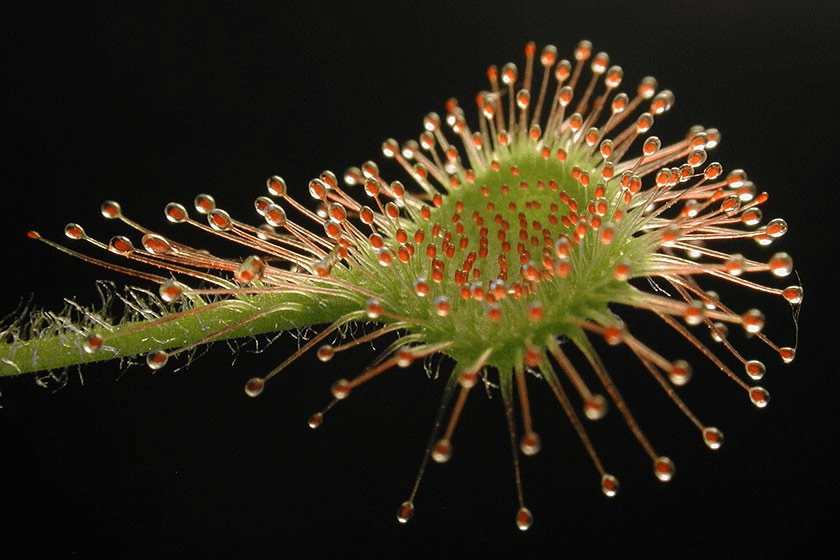
Think Plants Are Harmless? Meet Nature’s Hidden Predators – Carnivorous Plants
Plants are usually considered gentle and non-threatening organisms. They don’t hunt, chase, or attack animals, which makes them seem innocent by nature. But this thought falls apart when we discover that a small but fascinating group of plants has evolved the ability to trap and digest animals, making us realize plants can be predators too.This…
-


In collaboration with the DU Science Society
Designed with WordPress

